Deck preview
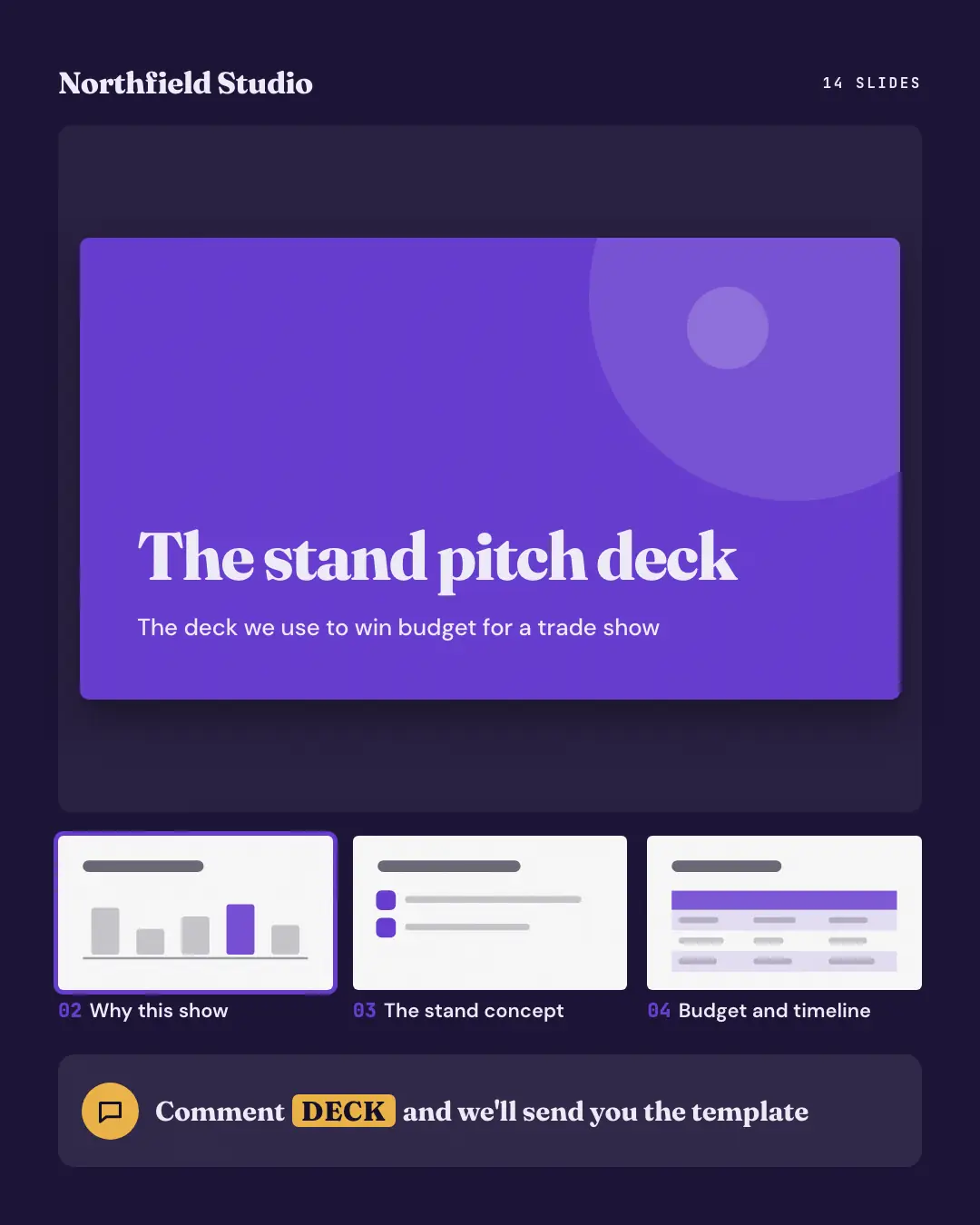
A slide deck the post offers, shown in a generic slide sorter: the title slide large in the brand colour, then thumbnails of the next slides — wordless layouts captioned with the slide names the post gives, the first one selected — on a dark editor ground with the logo and the slide count (only when stated). Perfect for 'steal my pitch deck' posts.
When the AI picks it
MarketiQ’s Creative Director favours the Deck preview for posts that get people to act, start a conversation or teach, when the message is a list or real projects or past work. It is built first to get people to act.
It reads each post’s goal and shape first, then its own words, the platform and the facts you have, and offers this template only where it fits.
Who it’s for
Any business. Nothing in it assumes what you sell, so the Director can offer it to a software company, a café or a coaching centre alike — whenever the post fits.
Platforms and sizes
| Size | Where |
|---|---|
| 4:51080 × 1350 px | Instagram, Facebook, LinkedIn, Threads, Reddit |
| 1:11080 × 1080 px | Ads |
| 9:161080 × 1920 px | TikTok |
| 2:31000 × 1500 px | |
| 1.91:11200 × 628 px | Newsletter, Blog |
| 16:91600 × 900 px | X, YouTube |
Single image. Each size is laid out for its canvas, not cropped; the sample above is the 4:5 version.
What it needs
The Director offers it only when these exist. Without them it simply picks another template.
- Lead magnet
Rules the AI follows
Word for word from the template library. The Director follows the copy rules when it writes into the template, and the visual review checks every creative against the visual rules.
Copy rules
- Every title, chapter, item, count and page number comes from the post or the brand's recorded lead magnets — never invent what the asset contains or how long it is.
- The call to action is the post's own; the keyword is copied exactly from it.
- Slide names are short (two to four words); the count only as the post states it.
Visual rules
- A dark editor ground with the logo (and the slide count) on a top bar; the title slide large and 16:9 in the brand colour on a slightly lighter stage, with two soft circles and the deck title and subline.
- Below (beside, in landscape) white 16:9 thumbnails of wordless slide layouts, the first outlined in the brand colour, each captioned with a mono number and the slide name; the call to action in a rounded panel.
More Lead-magnet teasers templates
What's in the box
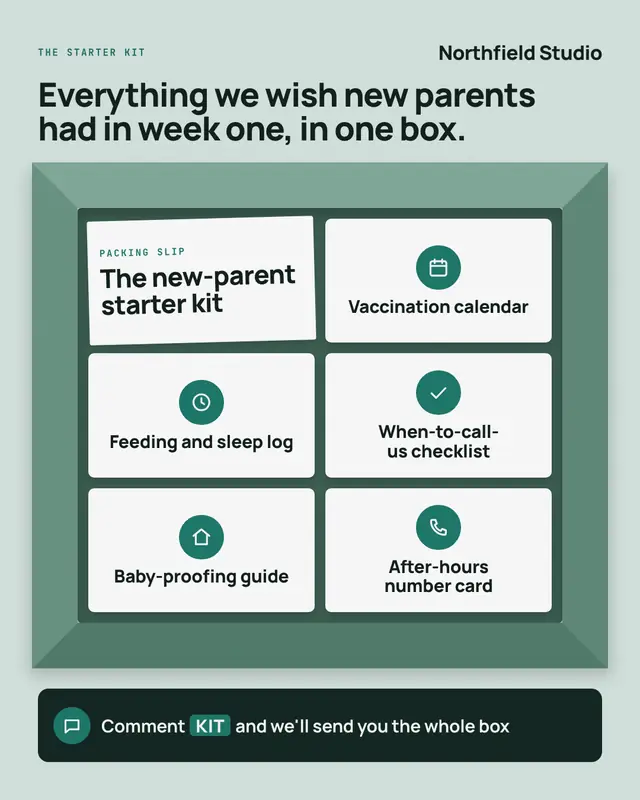
A toolkit or resource bundle as an opened box seen from above: shaded cardboard flaps around a dark interior with compartments
Playbook cover
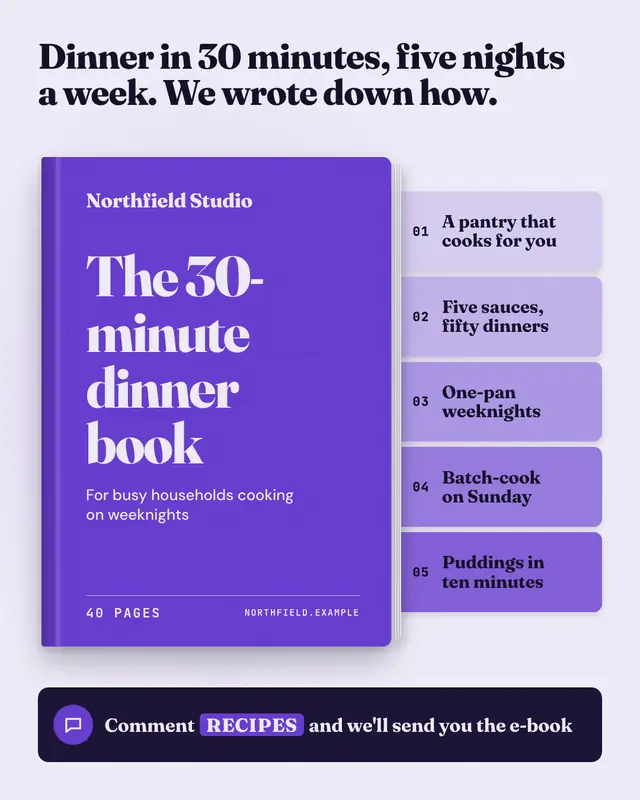
The asset itself as a hardback: a brand-colour cover with the playbook's title and the brand's logo, page edges and a spine, and coloured index tabs sticking out of it
Inside the playbook
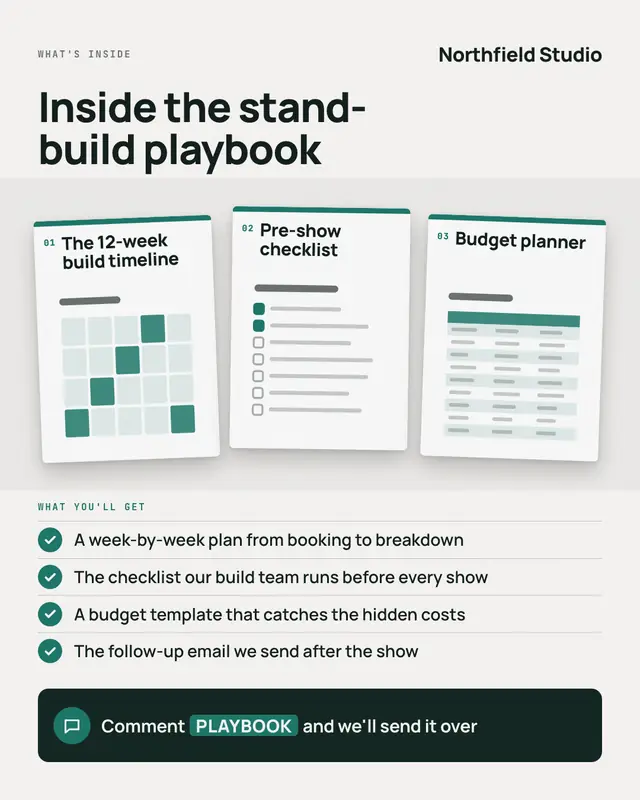
A look inside before anyone asks: three pages of the asset laid out like proofs on a desk
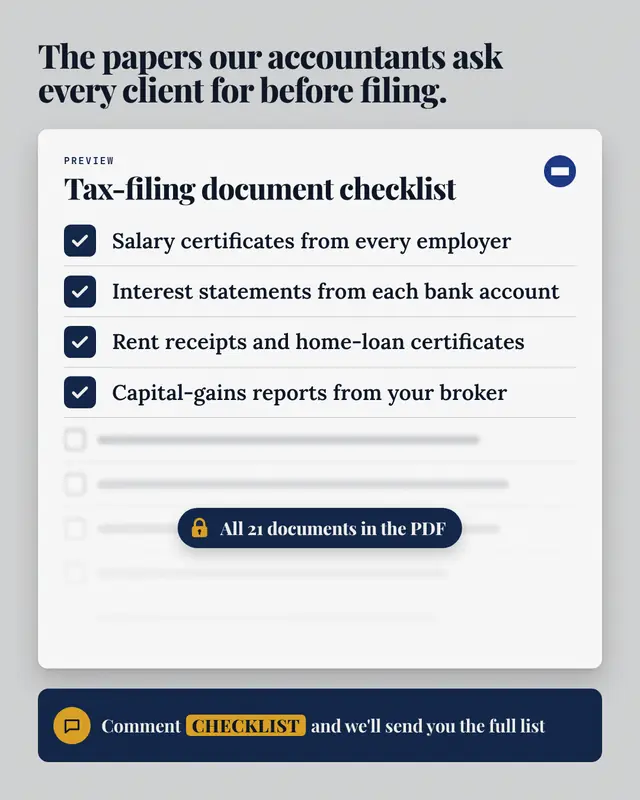
Checklist preview
The first items of the real checklist, ticked on a white sheet; the rest of the list blurs out under a fade with a padlock badge saying how much more there is (only when…
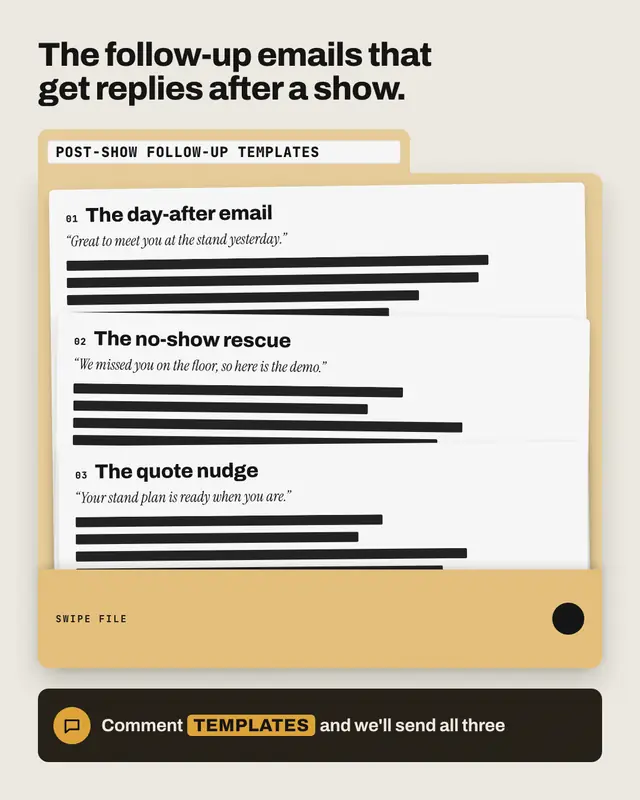
Redacted swipe file
A brand-tinted file folder labelled with the swipe file's name: template sheets fanned inside, each showing its real name and the opening line the post shares…
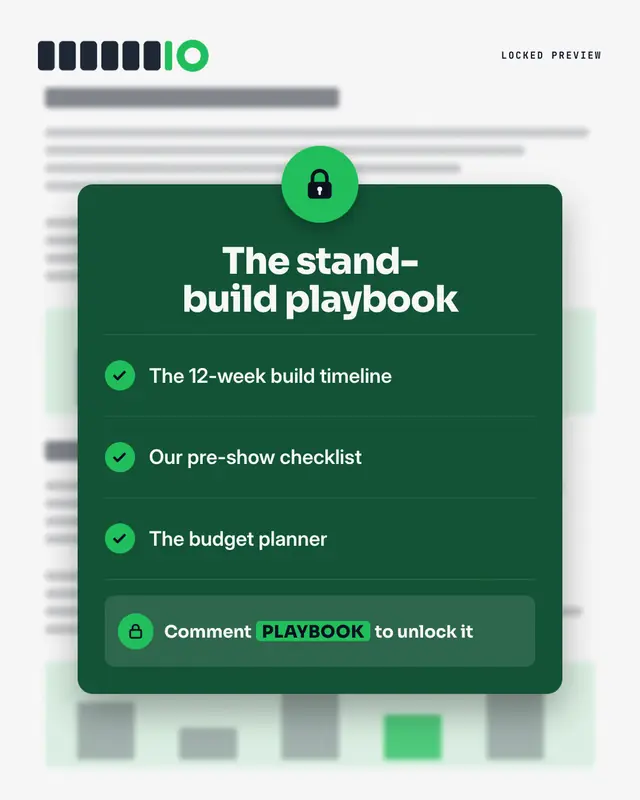
Padlocked preview
The asset as 'gated content': a blurred document behind a dark lock panel

Magnifier peek
A 'sneak peek' of the asset under a magnifying glass: the page itself is wordless lines, but inside the lens one real line from it
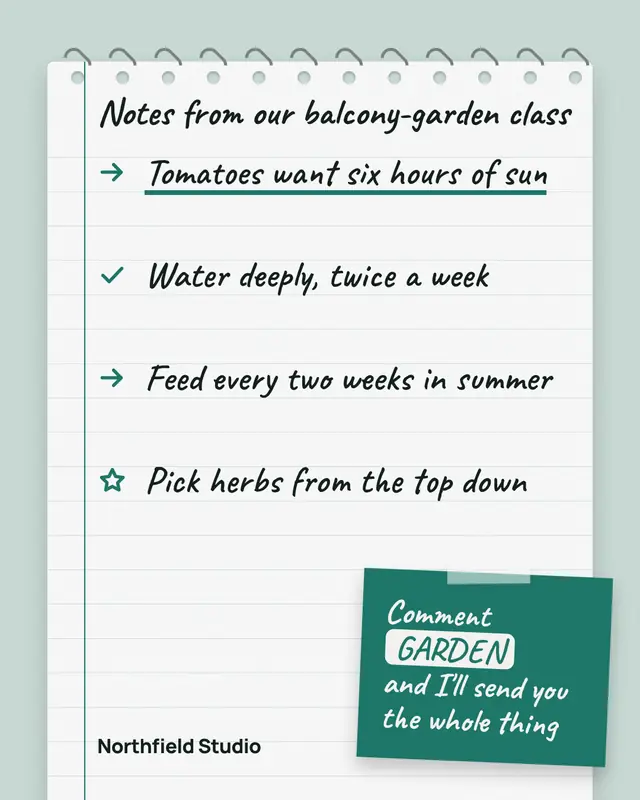
Notebook notes
A spiral notebook page of handwritten notes taken from the asset
Make a Deck preview with your brand.
MarketiQ writes the post, picks the template that carries it best — this one, when it fits — and fills it with your logo, colours, facts and copy.